A student-run publication

History, Public Policy, and the Ideas That Shape Nations

My name is Pranav Kumar, and I write about American history, the power of the federal government, and American politics. I also keep a ledger that tracks whether politicians keep their promises. I started writing about this because I wanted to see whether politicians will live up to their promises, and how the federal government has wielded its power throughout history, and the lessons we can learn from this.

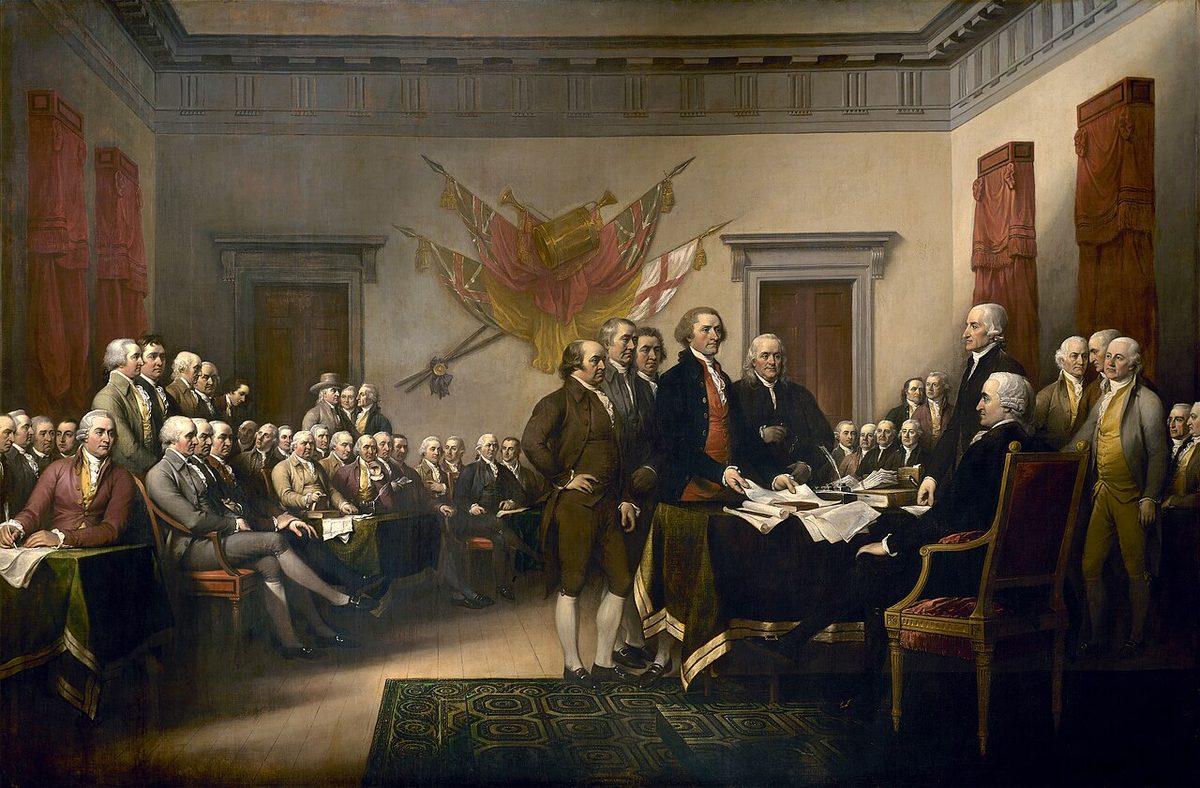
John Trumbull's painting of the drafting committee presenting the Declaration of Independence to Congress
John Trumbull, Declaration of Independence, 1819. United States Capitol Rotunda. Public domain.
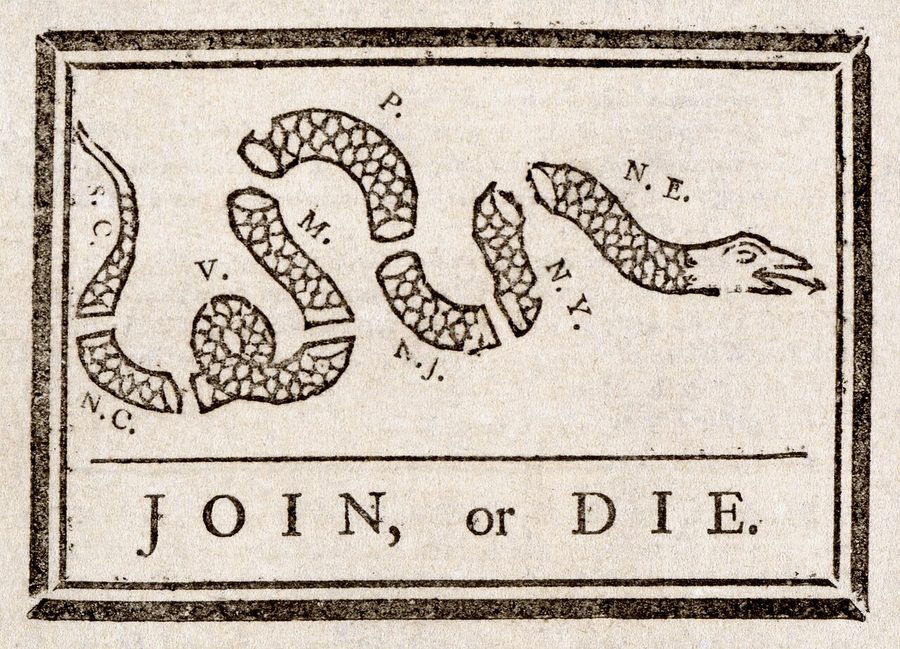
Benjamin Franklin's woodcut of a snake cut into segments labelled with the colonies

Who Holds the Power, 1789 to 1865

From Washington to Lincoln, the central question was whether the federal government had the power to restrict slavery, or whether it was the states that had it, and this battle extended to several other policy questions. This debate ultimately led to a war, where the Union won, establishing federal government supremacy.
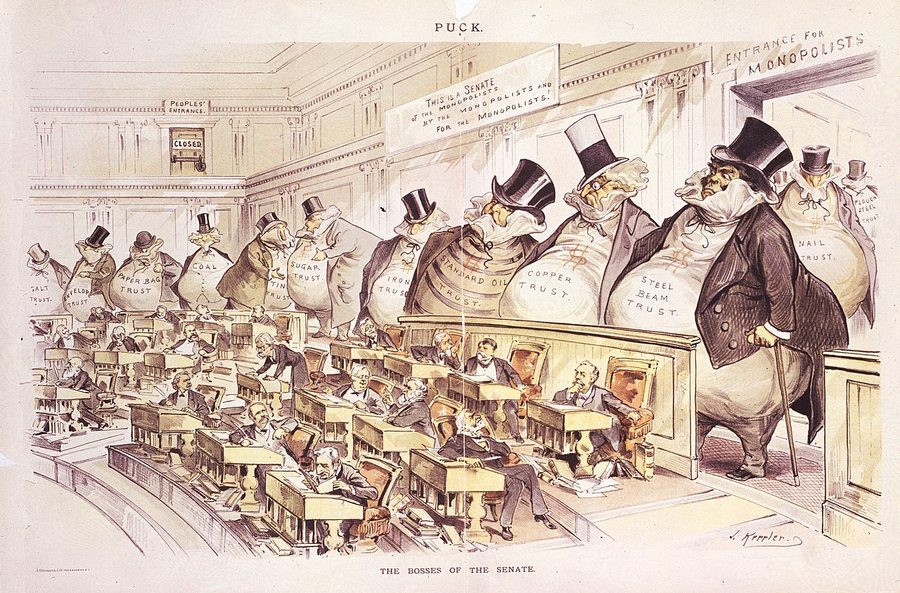
Joseph Keppler's cartoon showing giant moneybag figures looming over the United States Senate

What Government Took On, 1865 to 1941

The federal government now had clear precedence over state power, and the debate was about what to do with that power. There were battles over Reconstruction, tariff authority, Gilded Age corruption, income taxes, regulations, trust-busting, the New Deal, and the size of the bureaucracy. Ultimately, by 1941, the federal government was larger than ever before.

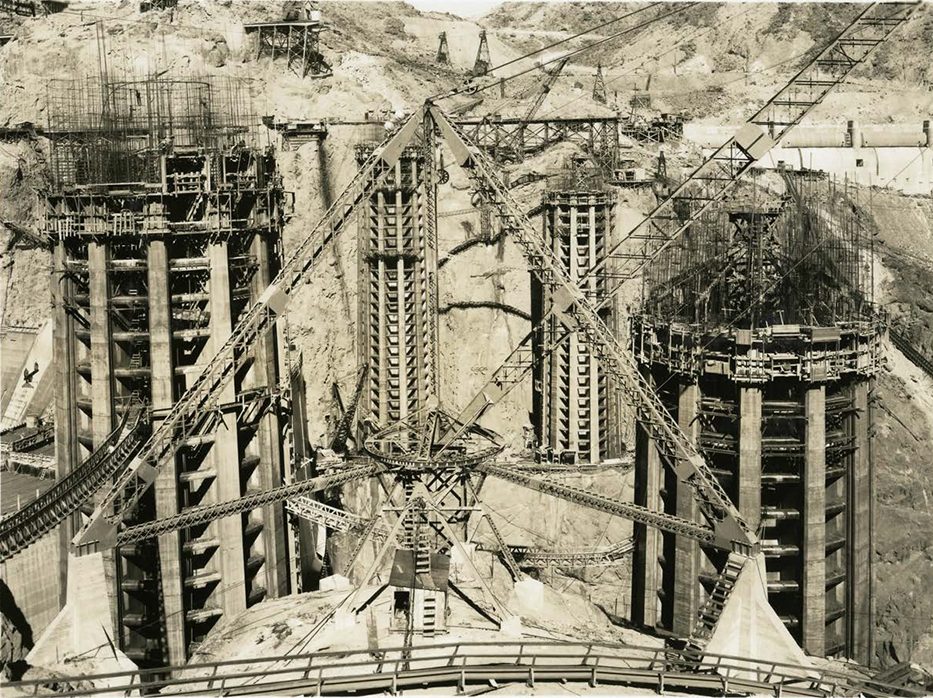
Intake towers under construction at Hoover Dam, 1934

Whether It Delivered, 1941 to Now

After the war, the debate changed from whether the government should be big to whether the government and its programs are delivering results, like whether the War on Poverty actually reduced poverty. The Ledger is one tool for examining the promises of politicians and whether they fulfill them.

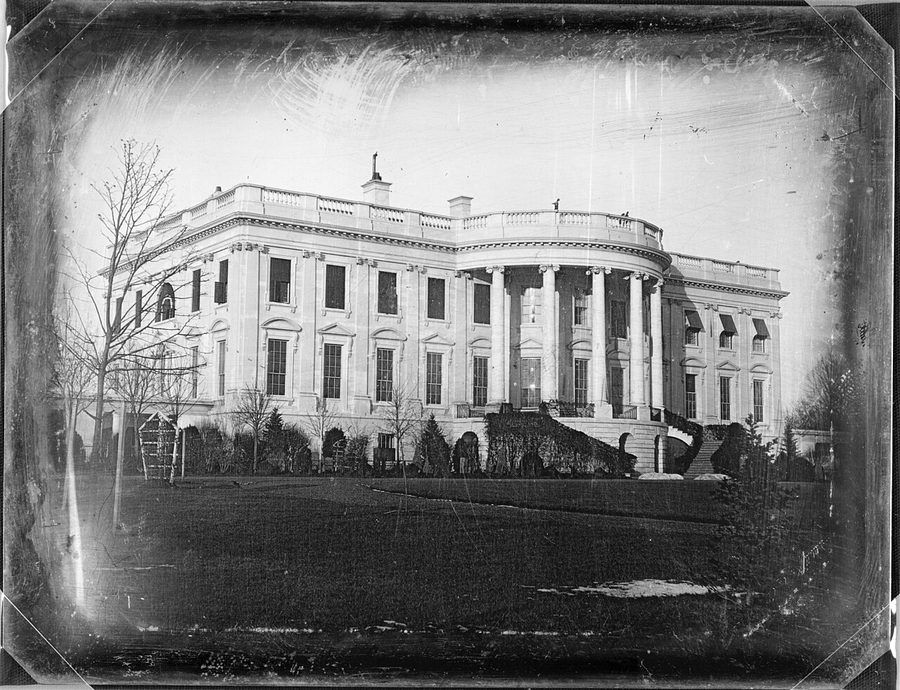
Daguerreotype of the south front of the White House, 1846

Whether It Delivered, 1941 to Now

The Ledger

The Ledger measures the promises of politicians against actual enacted government policies and results. We look at the exact words, compare them against the documents, and publish a verdict, concerning whether promises are fully or partially fulfilled, with sources attached. Our first case concerns homelessness and the impact of extreme heat in southern Nevada.

First case, open now: homelessness and extreme heat in Southern Nevada

Recent writing

Recent Essays

Mar 18, 2026

The 50’s & 60’s

Eisenhower wasn't your typical liberal Republican or conservative Republican; rather, his ideology was referred to by commentators as “modern Republicanism,” but in reality, he wasn’t a conservative at all.

Feb 13, 2026

America The Superpower

Although his first term was highly legislatively successful, his second term was not.

Jan 24, 2026

The Great Depression

Theodore Roosevelt had sent into stone a new era in American politics, an age of big government, moralistic policy, and foreign interventionism.

Images

South front of the White House, 1846. The earliest known photograph of the building. Library of Congress.  ·  Joseph Keppler, The Bosses of the Senate, Puck, 1889. Library of Congress.  ·  Benjamin Franklin, Join, or Die, 1754. Library of Congress.  ·  Intake towers under construction, Hoover Dam, 1934. National Archives.